The 2025 results of the Responsible Care program demonstrate exceptionally strong progress in climate targets
The 2025 results of the chemical industry’s Responsible Care programme demonstrate exceptionally strong progress in climate targets. Companies committed to the programme succeeded in reducing their greenhouse gas emissions by nearly 10% compared to the previous year. At the same time, industry output increased by 10%, which can be considered a positive indication of an improving economic outlook.
The share of emission-free purchased energy increased significantly, particularly as mixed electricity contracts were steadily replaced by both renewable and nuclear electricity. 66% of participating companies have set a clear climate target.
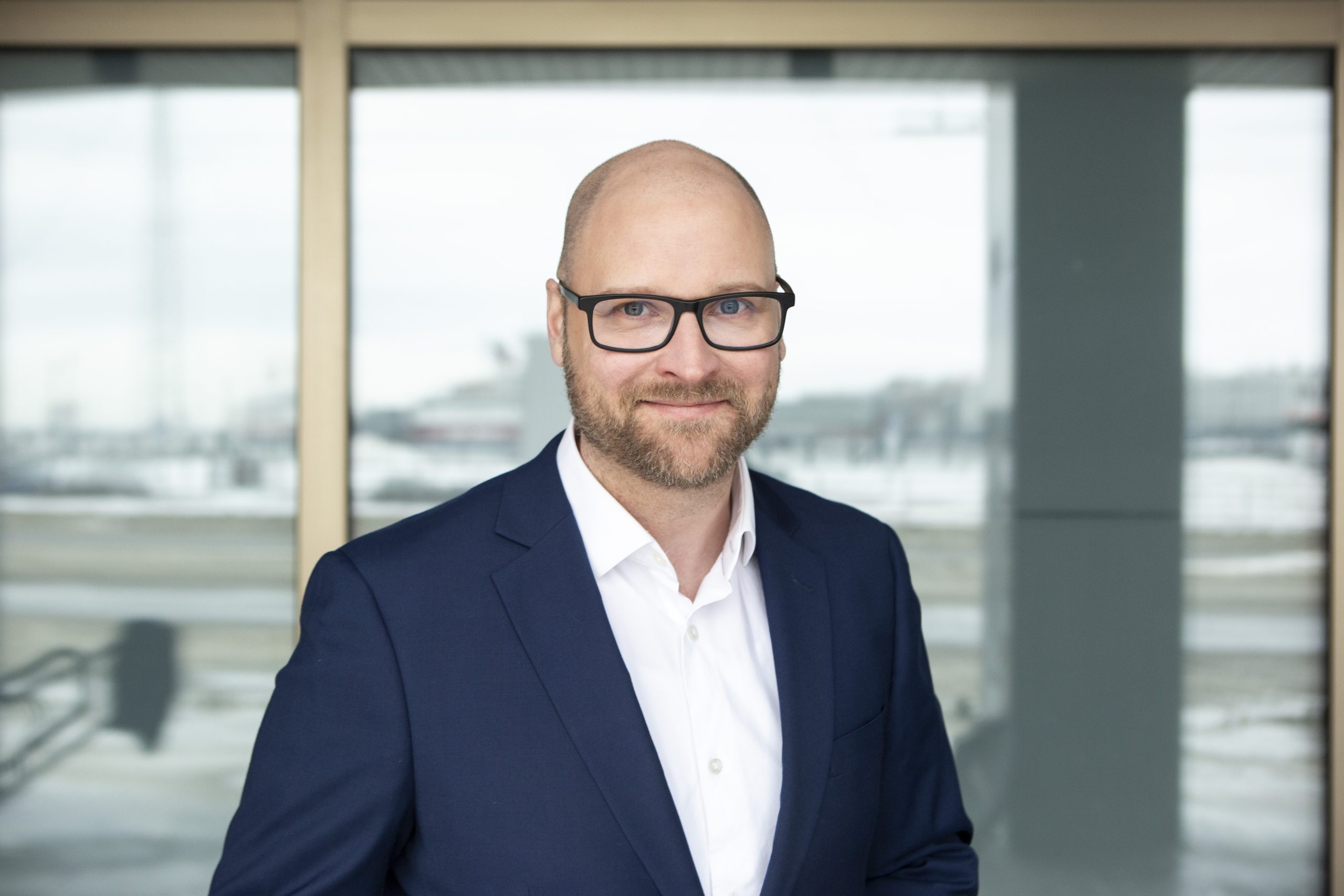
“Long-term development continues to be clearly reflected in most key sustainability indicators. At the same time, reporting data is continuously becoming more accurate, enabling companies to better identify both progress and emerging priorities,” says Tuomas Kohvakka, Sustainability Expert at the Chemical Industry Federation of Finland.
Highlights from the Responsible Care programme results 2025
(Comparison figure for 2024 or long-term trend in parentheses)
- Greenhouse gas emissions: 203 gCO₂e per kg of production (225 gCO₂e/kg) – total emissions decreased by 9.8% compared to 2024.
- Climate target: 66% of companies have set a climate target (68%).
- Recycled or renewable materials: 13.3% of materials used (15%).
- Water consumption: Reduced by 53% per kilogram of production since 1995.
- Acidifying air emissions: Reduced by 96% since 1988.
- Energy consumption: Reduced by 18% relative to production since 1995.
Emissions reduced consistently despite production growth
In the chemical industry, efforts to reduce greenhouse gas emissions have been pursued systematically over the long term, and the trend is significant: the greenhouse gas intensity of production among participating companies has decreased by 35% since 1999, and energy consumption relative to output has decreased by 18% since 1995.
In 2025, production-related greenhouse gas emissions averaged 203 grams of carbon dioxide equivalent per kilogram of output. Industrial resource efficiency has also improved in other areas: water consumption per kilogram of output has decreased by 53% since 1995, and acidifying air emissions have declined by as much as 96% since 1988.
Biodiversity work made more visible
Thanks to updated reporting practices, companies’ biodiversity-related activities are now presented more comprehensively and realistically in the 2025 results. Promoting biodiversity is long-term development work, and efforts to support companies and further clarify metrics will continue to ensure impact. The objective is to ensure that companies have effective tools for assessing and reporting nature-related impacts in line with evolving regulatory requirements.
“Following the reporting reform, companies’ biodiversity work is now more visible and more accurately reflected than before. This is long-term development work, and further refinement of definitions and continued support for companies will be essential to ensure impact,” says Tuomas Kohvakka.
The overall picture emerges over the long term
The strength of the Responsible Care programme lies in its long-term approach and broad coverage. Companies participating in the programme account for approximately 80% of Finland’s chemical industry output and 60% of the sector’s workforce.
The 2025 data is based on reporting from 99 sites operated by member companies of the Chemical Industry Federation of Finland. As annual figures may be influenced by changes in the composition of reporting companies and the nature of production, the sector’s underlying development trajectory and resilience are best assessed over a multi-year timeframe.
“Individual annual indicators may show variation due to changes in the operating environment or reporting methodologies, but the long-term perspective is decisive. When examined over decades, the direction is clear: the programme serves as a tool for continuous improvement and for managing practical sustainability performance in companies,” concludes Tuomas Kohvakka.
Responsible Care is the chemical industry’s international, voluntary initiative supporting sustainable development. Participating companies commit to continuous improvement in safety, environmental performance, and sustainability. In Finland, the programme has guided industry development since 1992.
The 2025 data is based on reporting from 99 sites of member companies of the Chemical Industry Federation of Finland. Companies in the programme represent approximately 80% of Finland’s chemical industry output and 60% of the sector’s workforce.
All 2025 Responsible Care results are available on the Chemical Industry Federation’s website: Responsible Care -tulokset – Kemianteollisuus